this is not the future i ordered
film program
2024
curated byfarah hasanbegović/
shown at
eye filmmuseum, amsterdam
availability
can travel or be re-curated
Each screening begins with old, damaged footage of a house being engulfed in flames, under a swelling bed of noise shot through with the sparkling chimes of a children’s choir. Then an intertitle: “After rehearsal – reality.” The trailer for This isn’t the future I ordered, a program of films against despair curated by Farah Hasanbegović at Eye Filmmuseum, was rescued from the museum’s collection of orphan films and given a new score. The program did something similar for every work it showed, lifting each one out of its usual place and letting it be heard again in new company.
The program starts from what Hasanbegović calls the missing promise: a life thickened with dignity, meaning and intention, rehearsed in every film and song and increasingly out of reach. “These films aren’t going to fix us,” the program guide admits. “They might not have even fixed their makers.” But each work included in the program draws out the gesture despair most keenly targets, the guarantee of change.
The first evening was arranged like a doomscrolling session, short works answering unease about the world and about the tools used to record it, from Harun Farocki’s study of how video games build their worlds to Jean-Luc Godard’s Je vous salue, Sarajevo, a rarely shown broadside on the place of culture in the midst of atrocity. Some of the works the program reached for in its exploration of despair came from Sanja Iveković, John Torres, Chris Marker and Nahid Rezai. The second evening made a case for escapism as an active way out of a low point, setting a mammoth essay film about compulsive cinephilia and depression against a video game cutscene about daydreaming at work. Against the isolation of real doomscrolling, the program offered a shared room in which to sit with fears that no one can name alone. It sold out, and also premiered the lecture-performance Raised in the Institution of Dreaming.
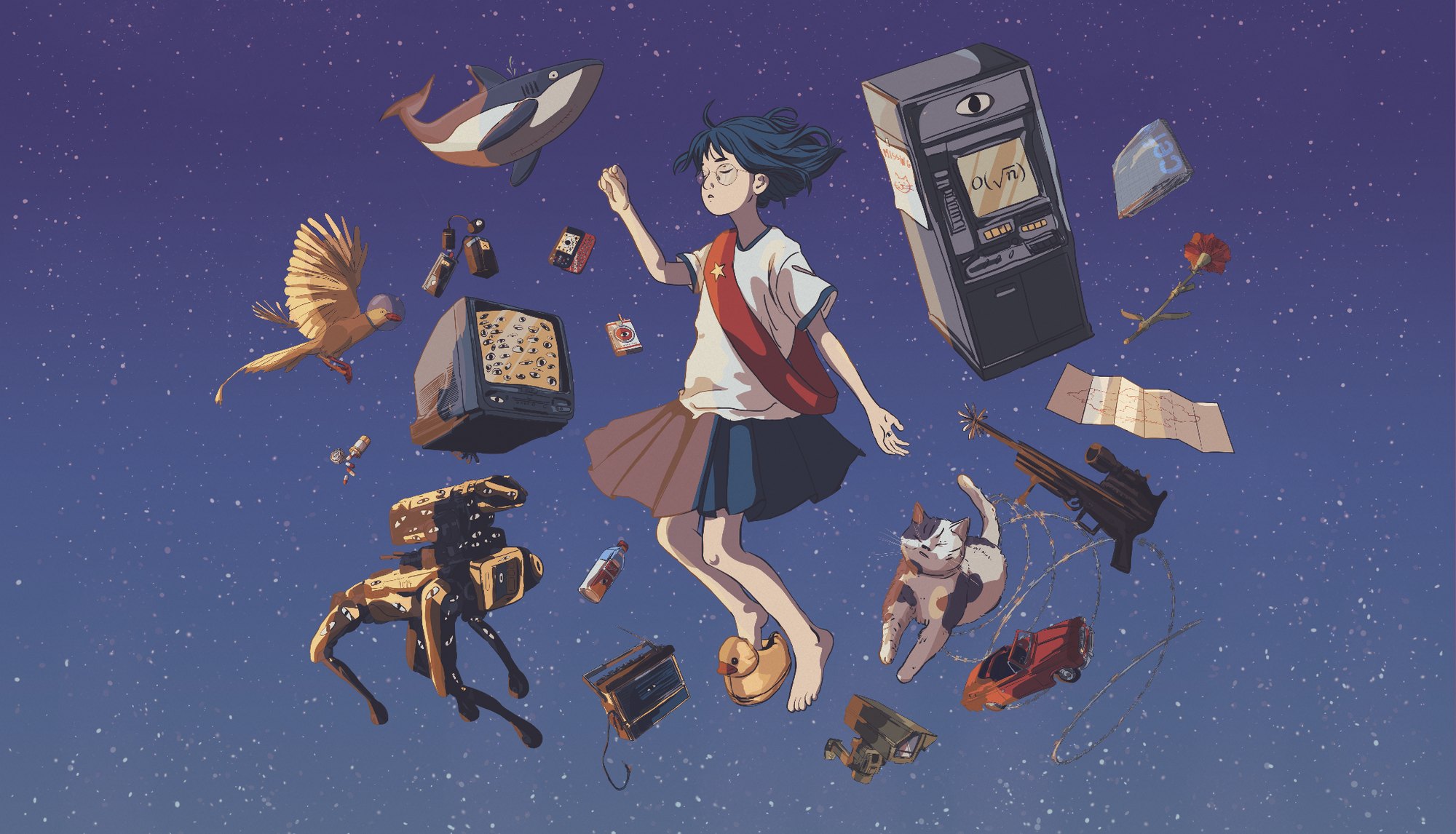
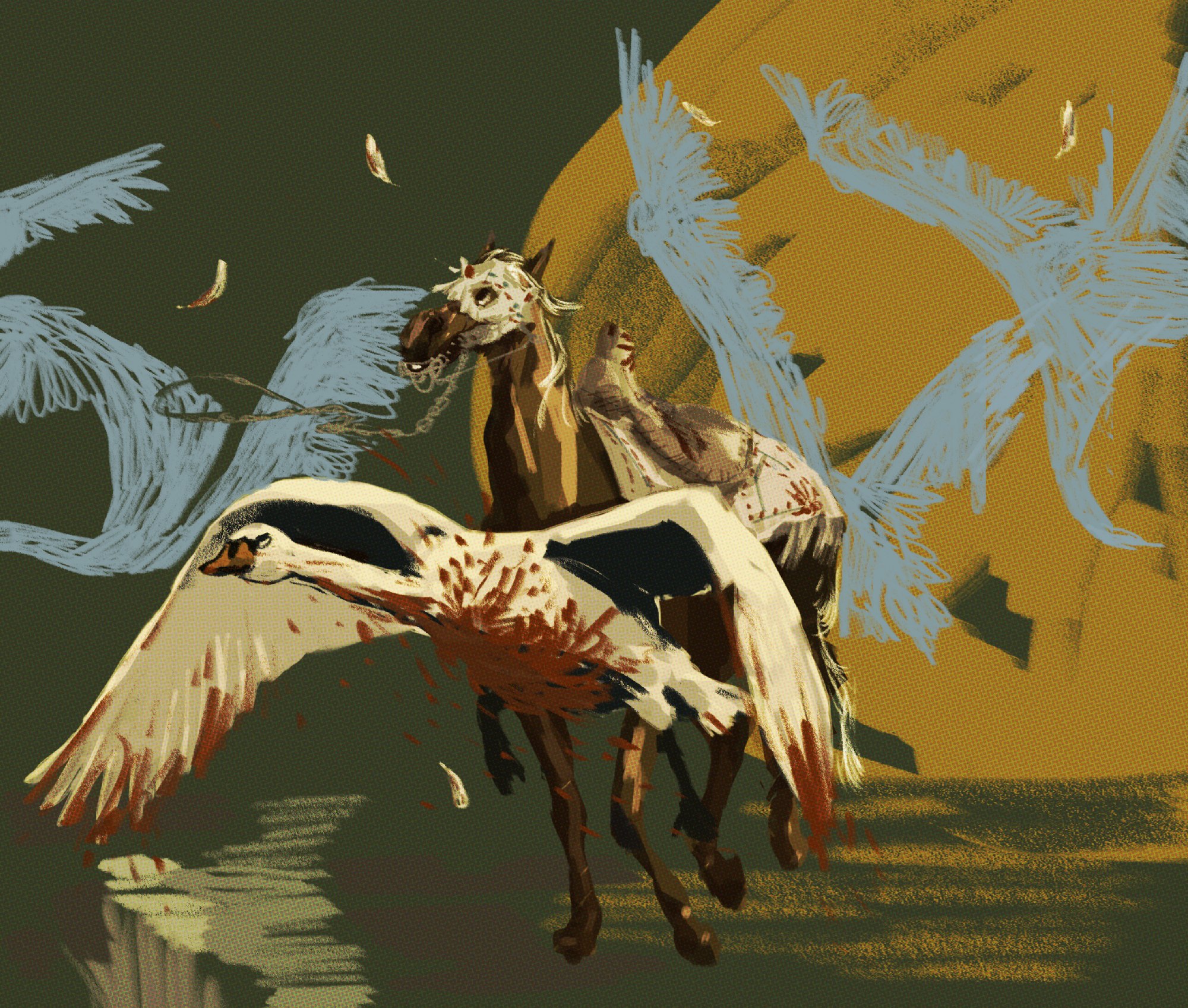
Hasanbegović illustrated and designed everything around the screenings, from a wall of stills and poems in the museum hallway to stickers and the zine that served as the program guide.